logo
Хорошая цена  онлайн

Подробная информация о продукции

Дом > продукты >
Химический Dyestuff
>
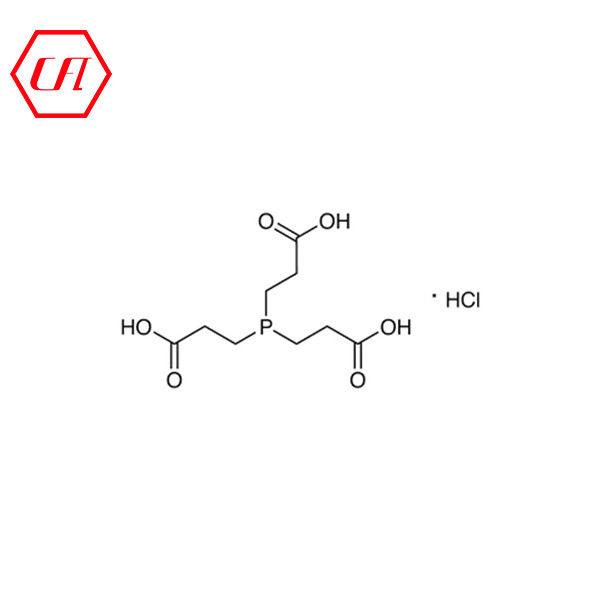
TCEP Tris 2-carboxyethyl Phosphine Hydrochloride CAS No 51805-45-9 EINECS No. 629-759-1

TCEP Tris 2-carboxyethyl Phosphine Hydrochloride CAS No 51805-45-9 EINECS No. 629-759-1

Наименование марки: Chemfine
MOQ: 1000 килограммов
цена: US $10.0 - 30.0 / Kilogram
Подробная информация
Место происхождения:
КИТАЙ
CAS No.:
51805-45-9
Other Names:
TCEP
MF:
C9H15O6P.ClH
EINECS No.:
629-759-1
Тип:
Синтезы Материальные промежуточные продукты
Чистота:
99%
Application:
industrial use
Appearance:
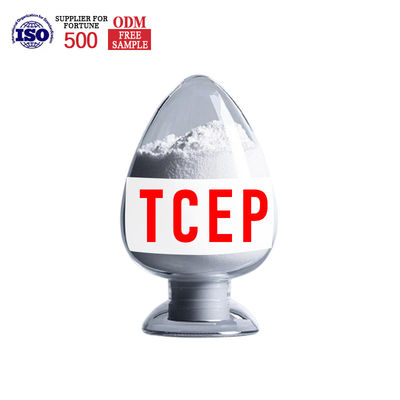
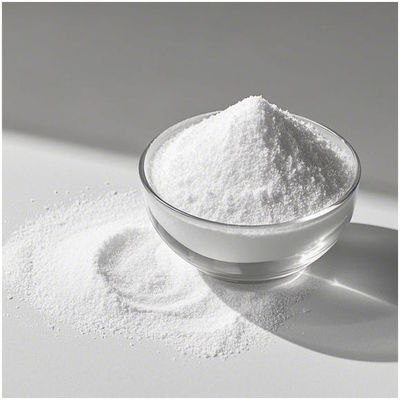
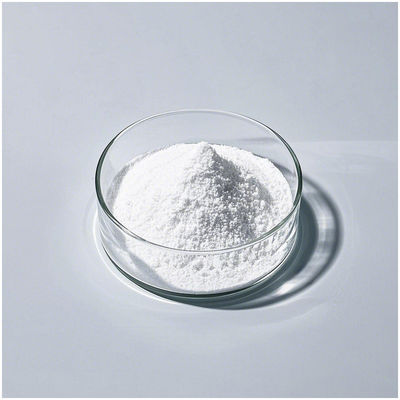
white powder
Выделить:

TCEP Tris chemical reagent

,

TCEP Hydrochloride reducing agent

,

TCEP 2-carboxyethyl Phosphine CAS 51805-45-9

Характер продукции

TCEP Tris(2-carboxyethyl)phosphine Hydrochloride Cas 51805 - 45 - 9

Product Information

Item Details
Product Name Tris(2-carboxyethyl)phosphine Hydrochloride (TCEP)
CAS No. 51805 - 45 - 9

Applications

Selective Reduction of Disulfides: As a water - soluble organophosphorus compound, TCEP hydrochloride is used for the selective reduction of disulfide bonds. It is more stable than DTT (dithiothreitol) in mass spectrometry applications, making it an ideal choice for sensitive analytical procedures.
Thiolated DNA Stabilization: Effectively prevents dimerization of thiolated DNA ends in aqueous solutions, improving the efficiency of DNA immobilization and coupling reactions in biotechnology and biosensor applications.
Water - Based Reactions: Suitable for performing selective disulfide reductions in water, offering compatibility with hydrophilic reaction environments.

Key Features

  • Highly effective in reducing disulfide bonds under mild conditions.
  • Water - soluble, enabling use in aqueous reaction systems.
  • Superior stability compared to traditional reducing agents like DTT, especially in mass spectrometry.
  • Facilitates efficient thiolated DNA manipulation by preventing unwanted dimerization.

Why Choose Us?

  • Premium - quality TCEP hydrochloride with consistent purity and performance.
  • Strict quality control to ensure low impurity levels and high solubility.
  • Technical support for application - specific challenges in DNA manipulation and disulfide reduction.

Order Now!

Optimize your DNA coupling reactions and disulfide reduction processes with TCEP hydrochloride. Contact us for detailed specifications, pricing, and customization options.

Send Inquiry

FAQs

1. What is the primary function of TCEP hydrochloride?
Its primary function is to reduce and prevent dimerization of thiolated DNA and selectively reduce disulfide bonds in various chemical and biological applications.

2. How does TCEP compare to DTT?
TCEP is more stable in mass spectrometry applications and offers better performance in aqueous environments, making it a preferred choice for sensitive biochemical reactions.

3. Is TCEP hydrochloride soluble in water?
Yes, it is highly water - soluble, which makes it suitable for use in aqueous reaction systems and DNA solutions.

Хорошая цена  онлайн

Подробная информация о продукции

Дом > продукты >
Химический Dyestuff
>
TCEP Tris 2-carboxyethyl Phosphine Hydrochloride CAS No 51805-45-9 EINECS No. 629-759-1

TCEP Tris 2-carboxyethyl Phosphine Hydrochloride CAS No 51805-45-9 EINECS No. 629-759-1

Наименование марки: Chemfine
MOQ: 1000 килограммов
цена: US $10.0 - 30.0 / Kilogram
Подробная информация
Место происхождения:
КИТАЙ
Фирменное наименование:
Chemfine
CAS No.:
51805-45-9
Other Names:
TCEP
MF:
C9H15O6P.ClH
EINECS No.:
629-759-1
Тип:
Синтезы Материальные промежуточные продукты
Чистота:
99%
Application:
industrial use
Appearance:
white powder
Количество мин заказа:
1000 килограммов
Цена:
US $10.0 - 30.0 / Kilogram
Выделить:

TCEP Tris chemical reagent

,

TCEP Hydrochloride reducing agent

,

TCEP 2-carboxyethyl Phosphine CAS 51805-45-9

Характер продукции

TCEP Tris(2-carboxyethyl)phosphine Hydrochloride Cas 51805 - 45 - 9

Product Information

Item Details
Product Name Tris(2-carboxyethyl)phosphine Hydrochloride (TCEP)
CAS No. 51805 - 45 - 9

Applications

Selective Reduction of Disulfides: As a water - soluble organophosphorus compound, TCEP hydrochloride is used for the selective reduction of disulfide bonds. It is more stable than DTT (dithiothreitol) in mass spectrometry applications, making it an ideal choice for sensitive analytical procedures.
Thiolated DNA Stabilization: Effectively prevents dimerization of thiolated DNA ends in aqueous solutions, improving the efficiency of DNA immobilization and coupling reactions in biotechnology and biosensor applications.
Water - Based Reactions: Suitable for performing selective disulfide reductions in water, offering compatibility with hydrophilic reaction environments.

Key Features

  • Highly effective in reducing disulfide bonds under mild conditions.
  • Water - soluble, enabling use in aqueous reaction systems.
  • Superior stability compared to traditional reducing agents like DTT, especially in mass spectrometry.
  • Facilitates efficient thiolated DNA manipulation by preventing unwanted dimerization.

Why Choose Us?

  • Premium - quality TCEP hydrochloride with consistent purity and performance.
  • Strict quality control to ensure low impurity levels and high solubility.
  • Technical support for application - specific challenges in DNA manipulation and disulfide reduction.

Order Now!

Optimize your DNA coupling reactions and disulfide reduction processes with TCEP hydrochloride. Contact us for detailed specifications, pricing, and customization options.

Send Inquiry

FAQs

1. What is the primary function of TCEP hydrochloride?
Its primary function is to reduce and prevent dimerization of thiolated DNA and selectively reduce disulfide bonds in various chemical and biological applications.

2. How does TCEP compare to DTT?
TCEP is more stable in mass spectrometry applications and offers better performance in aqueous environments, making it a preferred choice for sensitive biochemical reactions.

3. Is TCEP hydrochloride soluble in water?
Yes, it is highly water - soluble, which makes it suitable for use in aqueous reaction systems and DNA solutions.